Physical Activity and Nutrition: Maintaining the Balance
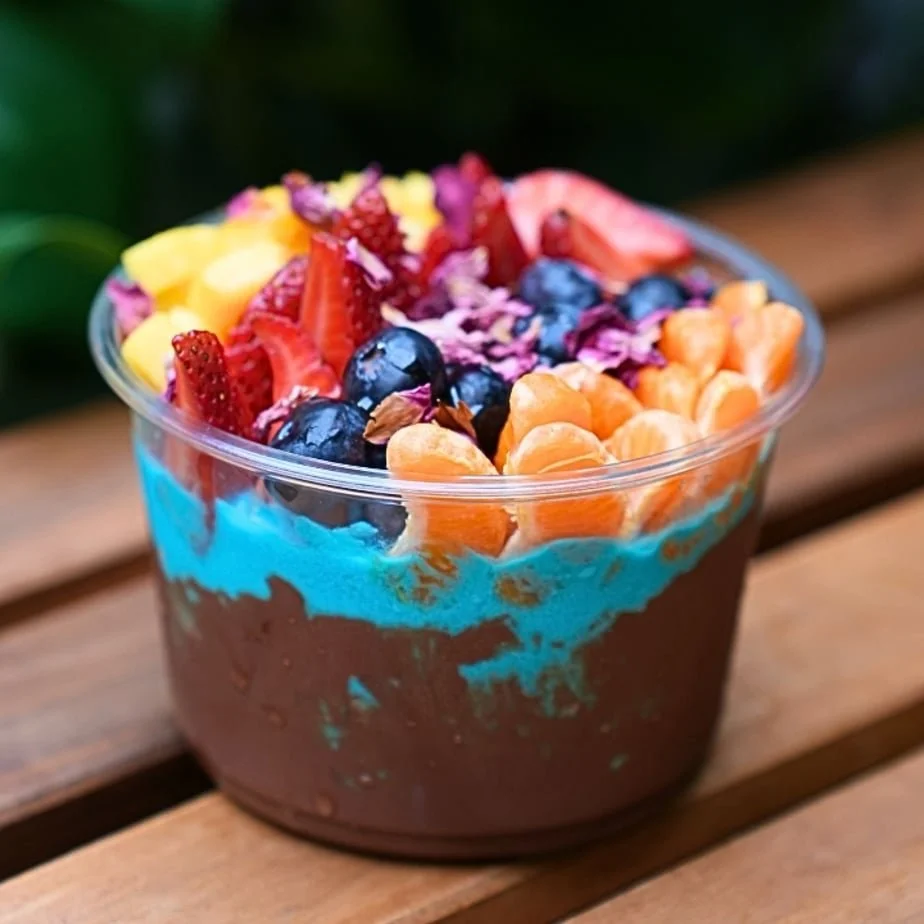
Good health is built on two main pillars.
These are physical activity and nutrition. They depend on each other. One cannot compensate for the other. A proper balance is required for the best results, and this synergy is the core of healthy eating and exercise.
Think of your body like a high-performance vehicle. Nutrition is the quality fuel. Physical activity is the regular driving and maintenance. Putting poor fuel in a well-tuned engine causes problem. A great fuel in a car that never moves is also ineffective. The system works best when both parts are cared for.
Nutrition Provides the Foundation for healthy eating and exercise
Food gives your body the raw materials it needs. This includes energy, building blocks, and tools for repair. Carbohydrates are the primary energy source. Your muscles and brain are powered by them. Tissue growth and healing depend on proteins. This is particularly applicable to muscle. Cell health and hormone function are supported by fats. Minerals and vitamins aid in numerous processes. They resemble small instruments. For a quick, balanced source of these nutrients, options like Overnight Oats or a Protein Bowl can provide sustained energy and muscle support. Physical activity is negatively impacted by poor nutrition. Poor performance is the result of low energy. Recuperation is hampered by insufficient protein. Illness or harm can result from a lack of essential nutrients.
Physical Activity Drives Demand
Exercise uses energy. It creates small tears in muscle fibers. It stresses your bones and cardiovascular system. This stress is good. It forces your body to adapt and become stronger. But this adaptation requires materials. Your body needs nutrients to repair itself. It needs them to rebuild stronger than before. Without activity, the demand signal is weak. Even excellent nutrition can lead to stored excess energy. This is often stored as fat.
The Balance is a Cycle
This relationship is a continuous cycle. Activity increases your body’s needs. Nutrition meets those needs. This allows for better, more effective activity. For example, eating carbohydrates before exercise provides immediate fuel. A Fruit Cup or a Classic smoothie can offer this quick, digestible energy. Consuming protein after exercise supplies amino acids. These amino acids repair muscle. A Power Toast or a Rocket smoothie can be excellent post-workout choices. Hydration is crucial before, during, and after activity. Water regulates temperature and transports nutrients. For enhanced hydration, consider Coconut Water or a Good Days juice. An imbalance causes issues. High activity with poor nutrition leads to burnout. The body runs out of resources. Fatigue, injury, and illness are common. Good nutrition with no activity often leads to weight gain. Muscle mass may decrease. Long-term health risks like heart disease can increase.
Here is how to maintain the balance.
First, balance the amount of food you eat with your level of activity. You probably require extra nourishment on days when you're active. Pay attention to getting enough protein and complex carbs. A Thrive Bowl or Avocado Toast are great for this. You may require less on days when you are less active. Select meals that include more lean proteins and veggies, like a Pimp C's Garden bowl.
Secondly,Time your nutrients, second. Eat a healthy meal or snack one to two hours before working out. It should have some protein and carbohydrates. A Ricotta Toast or a PB&J smoothie can be perfect. Eat a meal or snack within two hours of working out. This aids with healing. A Cherry Rodeo smoothie or Higher Ground smoothie can support recovery.
Third, give priority to quality. Generally, choose entire foods. These consist of legumes, whole grains, fruits, vegetables, and lean meats. They are nutrient-dense. A lot of processed foods have empty calories. They provide fewer advantages. Meals like the Tropical Bowl or Glow Up Bowl are built on this whole-food principle.
Fourth, hydrate consistently. Drink water throughout the day. Do not wait until you are thirsty. Thirst is a sign that you are already behind. Incorporate hydrating options like Paradise juice or an Aloha smoothie into your day.
Finally, listen to your body. It gives signals. Constant hunger may mean you need more food for your activity level. Persistent fatigue might mean poor nutrition, timing, or choices. A gentle Detox shot or Ginger Turmeric shot may help with inflammation and digestion. Progress stalling in your fitness could mean a dietary shortfall.
There is no single perfect formula. The right balance varies per person. It depends on age, goals, and health status. A long-distance runner’s needs differ from a weightlifter’s. Both differ from someone aiming for general health. The goal is synergy. Physical activity and nutrition should work together. They are not separate tasks. One prepares you for the other. Good food fuels good movement. Good movement creates a need for good food. This cycle builds a stronger, healthier body over time. Start by looking at both together. Healthy eating and Exercise are your tools. Adjust one at a time. The balance is the foundation of lasting healthy eating and exercise.